
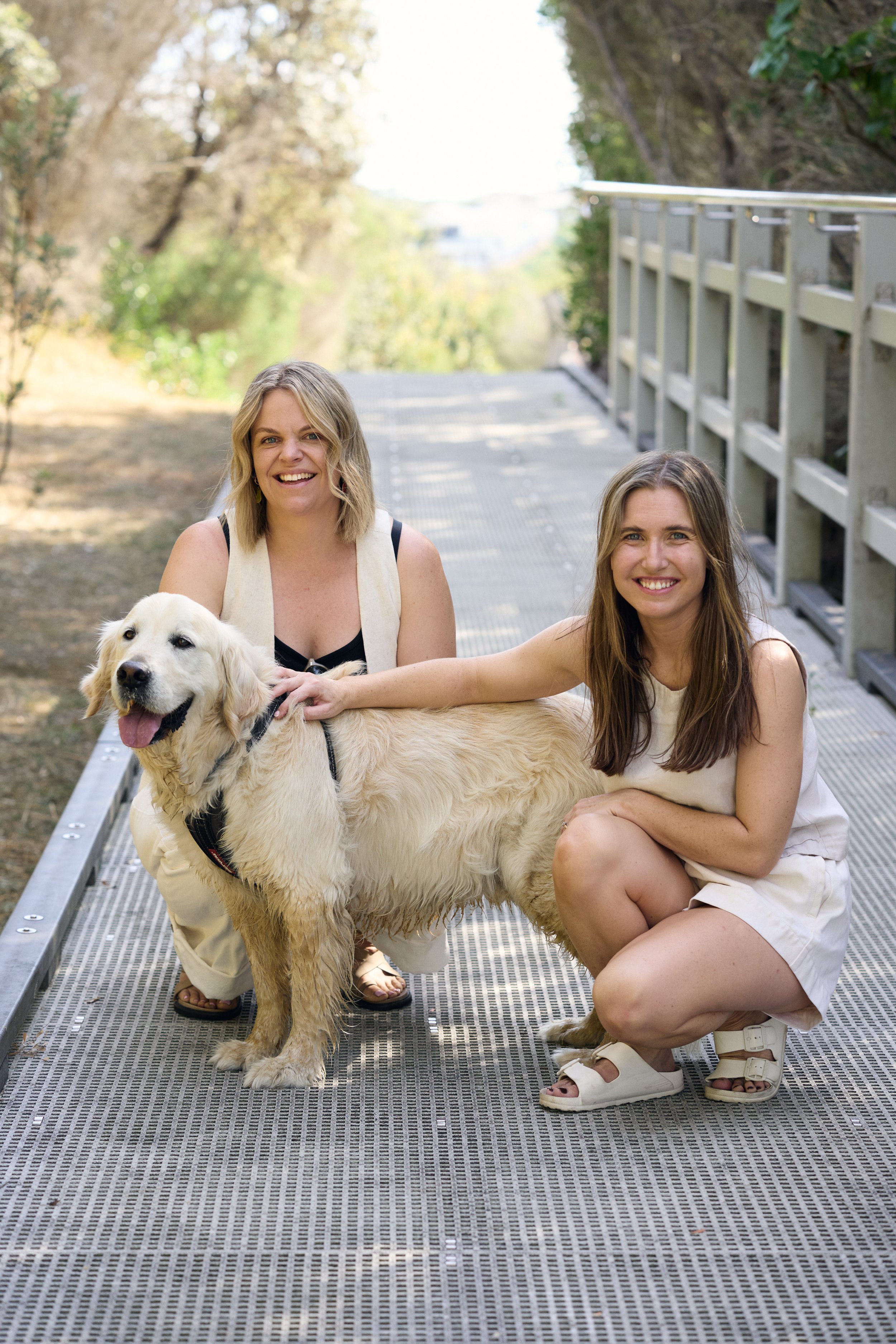

Occupational Therapy for Children & Young People
Neuroaffirming, strengths-based support to help children and young people understand themselves, build confidence, and participate in everyday life in ways that feel meaningful and manageable.
Support that meets your child where they are
We offer neuroaffirming, strengths-based occupational therapy for children and young people across Newcastle, Lake Macquarie and Port Stephens — with sessions available in the home, at school or childcare, in the community, or at the BCP Hub in Warners Bay.
Rather than following a set program, we take time to understand each child's strengths, experiences and what matters most to their family. Support is built from there — flexible, collaborative and shaped around everyday life.
We respect each child's autonomy and lived experience. Goals and strategies are shaped together — guided by what matters most to the child and their family.

What we commonly support
Every child and young person is different — the following gives a sense of the kinds of experiences and presentations we work alongside most often.
-
Strengths-based support that respects how your child experiences the world, without asking them to mask or change who they are.
-
Practical strategies that work with how your child's brain is wired — not against it — across home, school and everyday routines.
-
Understanding and supporting how your child takes in and responds to the world around them, from environments to textures to sound.
-
Building the skills and environment that help children and young people feel safe, settled and better able to navigate big feelings.
-
Gentle, evidence-informed support for children whose anxiety is affecting their participation in everyday life, school or relationships.
-
Working alongside families and schools to understand what's driving avoidance and find flexible, compassionate pathways forward.
-
Support for children who are taking their own path through developmental milestones — in play, motor skills, communication and daily life.
-
Supporting children and young people through change — starting school, moving to high school, diagnosis, or shifts in family circumstances.
Not sure if what you're navigating fits the list above? That's okay — reach out anyway. A discovery call is simply a conversation, and there's no pressure to have everything figured out first.
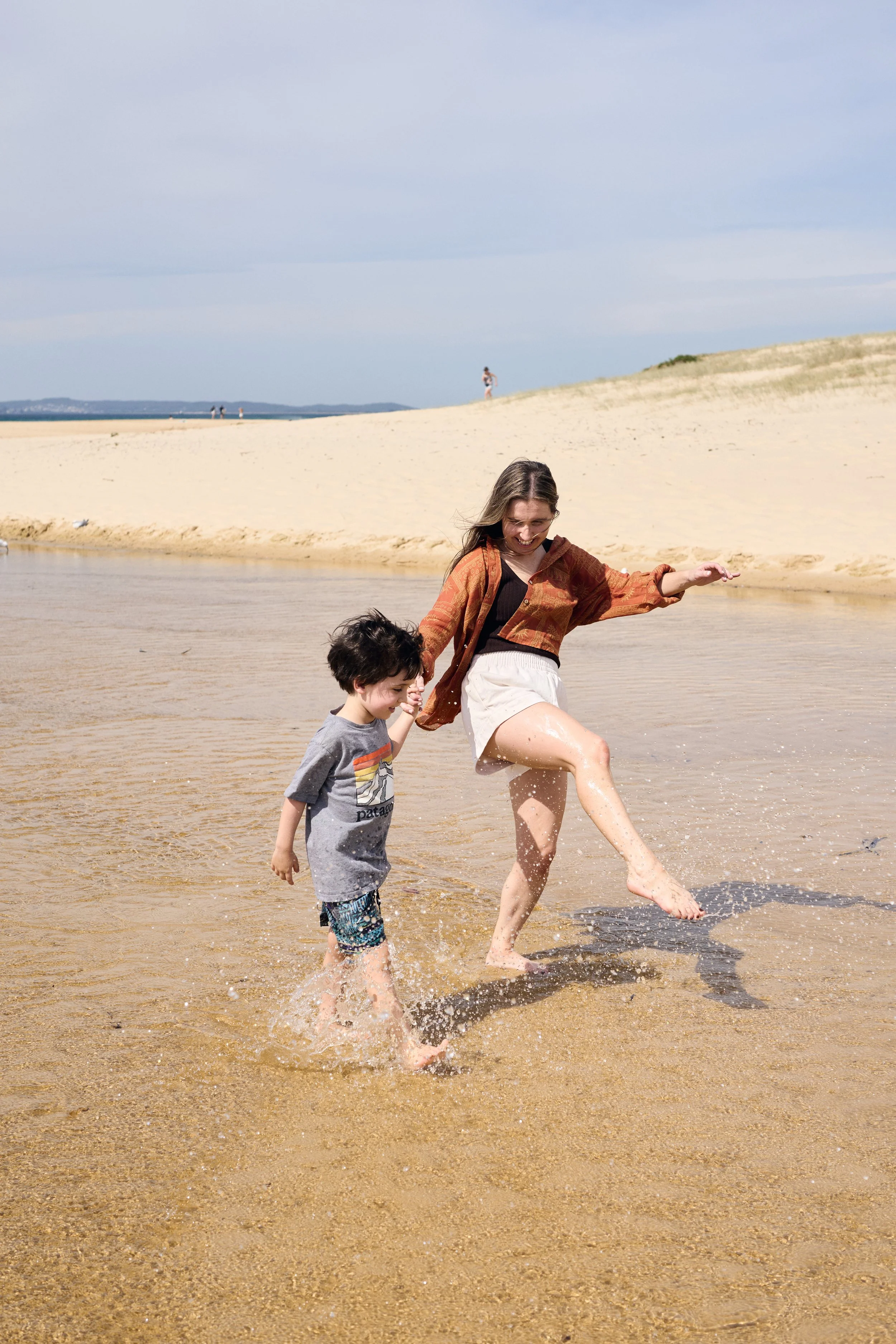
What support can look like in everyday life
Occupational therapy at Being and Becoming OT focuses on the everyday — the moments, routines and environments that make up a child or young person's life.
For the child:
Growing understanding of emotional and regulation needs
Developing skills to do the things they need and want to do
Building social confidence and showing up as their authentic self
Supporting self-identity and confidence
Executive function support for greater independence
For the family and environment:
Creating sustainable routines that include things that bring your family joy
Educating the people around your child so they can best meet their needs
Implementing accommodations, adapting routines and adjusting environments
How sessions work
Sessions are flexible and designed to fit your child's needs and your family's life. Support is offered in environments that are familiar and meaningful — wherever that might be.
At home, school or childcare — wherever is most relevant to everyday life
In the community across Newcastle, Lake Macquarie and Port Stephens
At the BCP Hub in Warners Bay for clinic-based sessions
Online via telehealth where appropriate
A session might look like playing games, going fishing, walking and talking, cooking, doing craft, problem-solving together, or engaging in interests to support regulation and connection.
Session length typically ranges from 45 to 75 minutes, with flexibility depending on the child's needs on the day. If a child arrives feeling overwhelmed, we slow things down. If they're energised and ready to engage, we follow that too. The structure is responsive, not rigid.
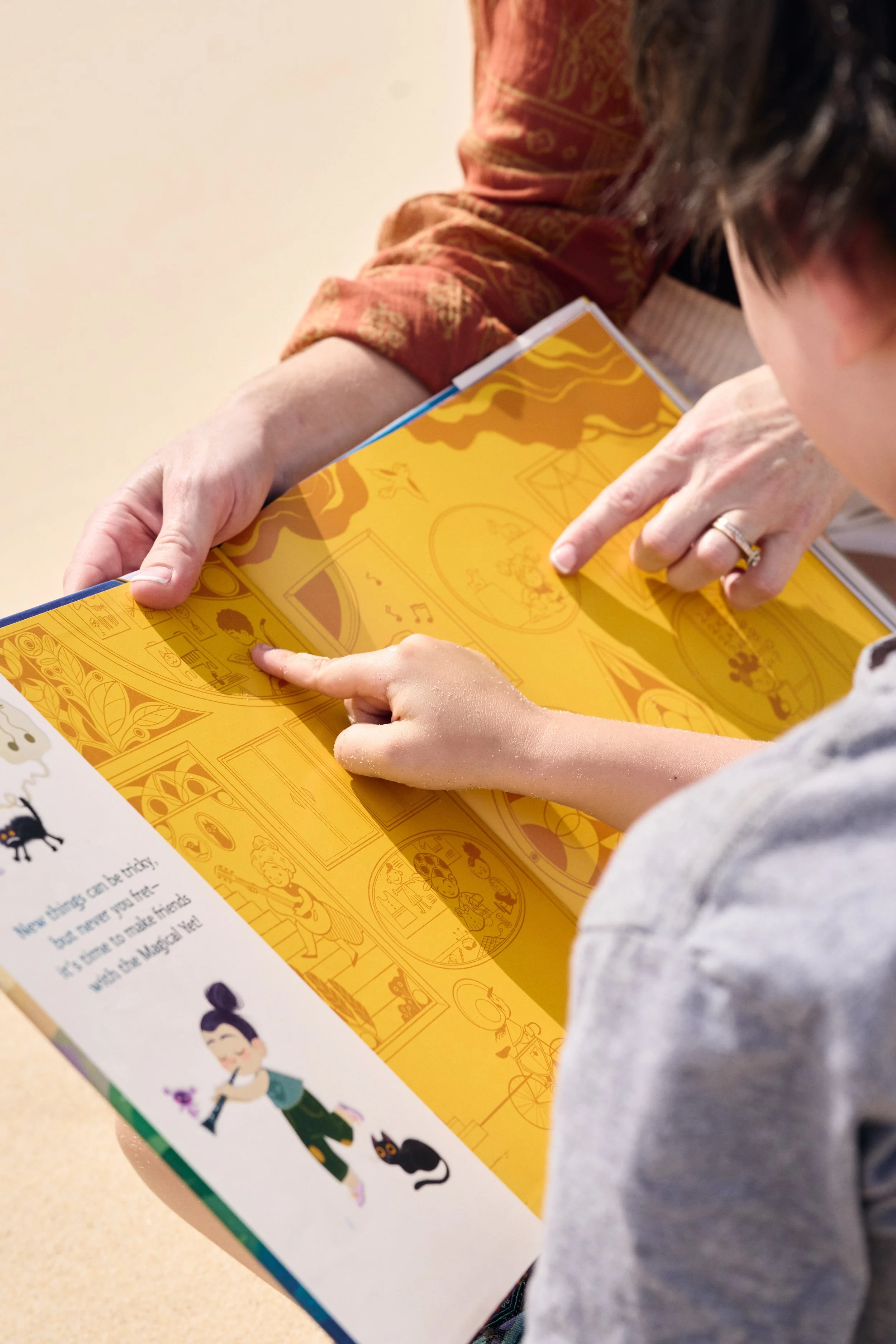
Supporting parents and families
Supporting parents is a core part of our work. We recognise that you are the expert on your child, and we aim to provide a space where you can reflect, ask questions, make sense of what's happening and plan your next steps with confidence.
We want you to feel supported, understood and equipped. Parent check-ins are encouraged in whatever way works best for you — during sessions, between sessions, or at key points across the term.
When sessions occur at school or in the community, we keep communication open and consistent. This might look like a phone call, a message, or an end-of-term update — whatever suits your needs.
Our work with parents often involves problem-solving together, exploring what's happening beneath behaviours, adapting routines and environments, and helping you build a deeper understanding of who your child is.
What changes might be noticed over time
These changes often happen gradually. Progress isn't linear — and it doesn't need to be. Our role is to walk alongside your family as you build understanding, connection and confidence.
Over time, families often notice:
The hard things start to feel less overwhelming
Children and parents feel more open sharing how they're feeling
Children feel more confident in themselves and their abilities
Daily routines become smoother and more enjoyable
Families develop a shared language for emotions, needs and regulation
There are more moments of joy, ease and connection
Families feel more able to advocate for their child's needs
A growing sense of moving toward the life your family wants
Funding & Access
We accept NDIS self-managed and plan-managed funding, Medicare Enhanced Primary Health Care Plans, private health insurance and private paying clients. No referral is needed to make an enquiry.
If you're accessing support through NDIS or Medicare, relevant documentation may be required before commencing services.
More questions about funding?
How to get started
Getting started is straightforward. There's no paperwork upfront, no referral needed, and no pressure to have everything worked out before you reach out.

Book a free discovery call
A relaxed 20-minute conversation — by phone or video — to talk through what's going on and whether support through Being and Becoming OT feels like a good fit.
No forms, no commitment.

We talk through your situation together
If we decide to move forward, the first session is about getting to know you or your child — your strengths, your goals, and what everyday life looks and feels like right now.

We plan next steps together
Support naturally shifts as confidence grows and life changes.
There's no fixed endpoint — we walk alongside you for as long as it's useful.
Common questions
-
Yes. A formal diagnosis is not required to begin a conversation or access support.
Many families reach out while still exploring or questioning their child's experiences.
We start from where you re, not from a report.
-
We generally support children and young people aged 4–18, with some flexibility depending on the situation.
If you're unsure whether your child's age or stage is a good fit, reach out — we're happy to talk it through.
-
Yes — we accept NDIS self-managed and plan-managed funding. We are not able to accept NDIA agency-managed plans at this time.
Your support coordinator can help clarify which type of plan you have if you're unsure.
-
Yes. Sessions can take place at school or childcare, which means we can observe and support your child in the environment where challenges are occurring.
We work collaboratively with teachers and educators where it's helpful.
-
Session frequency is shaped around what works best for your child and family. There's no fixed schedule — we discuss what feels realistic at the outset and adjust as things evolve.